

Celebrating 50 years of the barcode
A conversation with GS1 Australia CEO, Maria Palazzolo

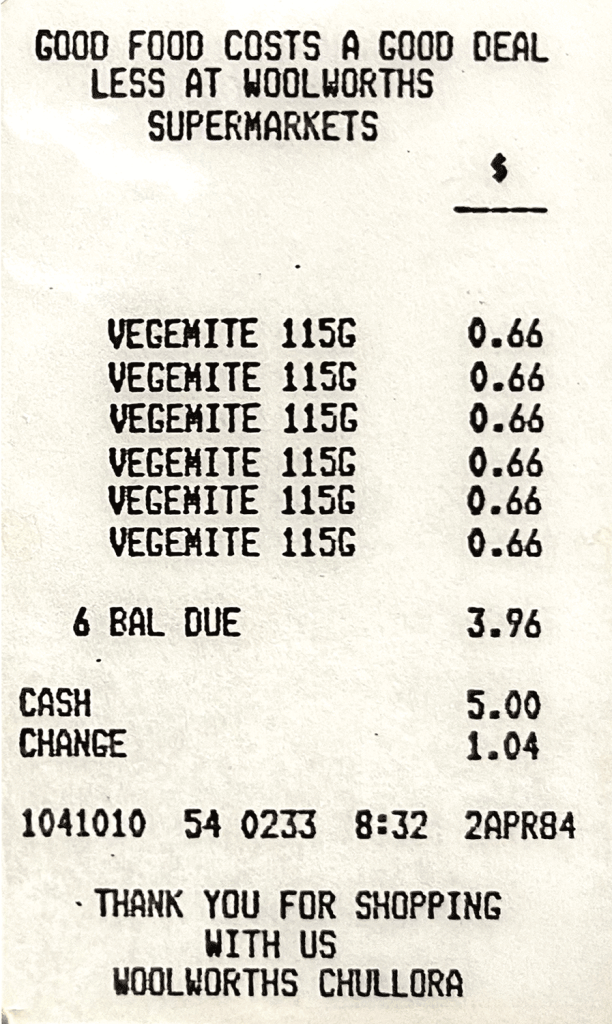
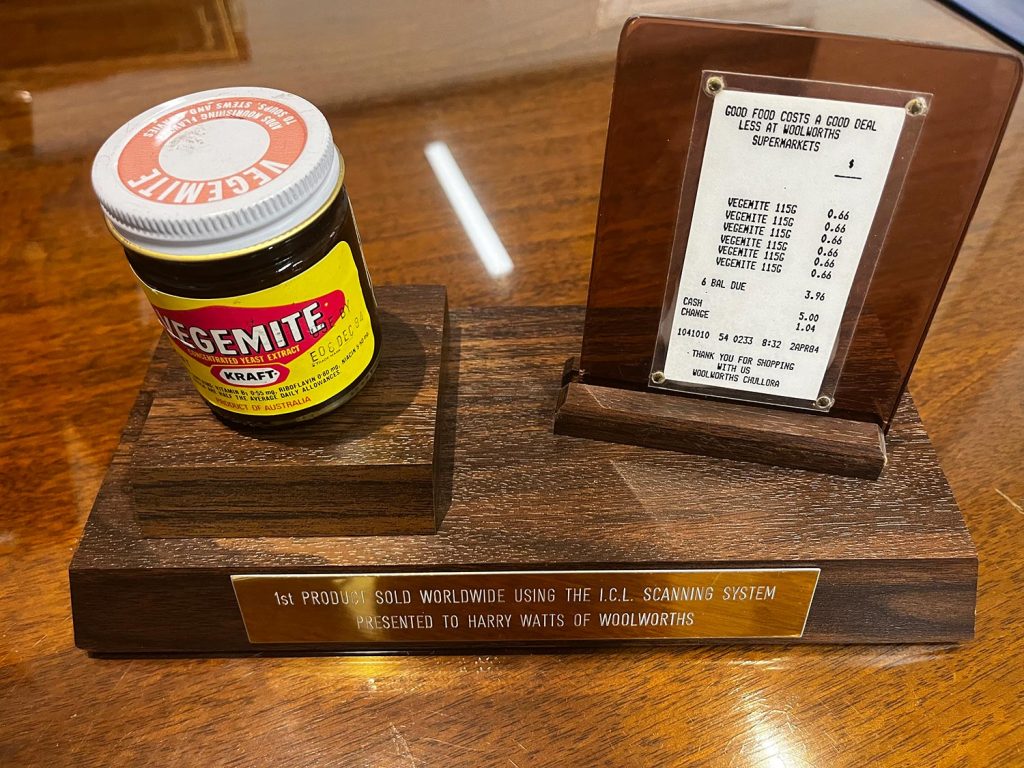
On June 26, 1974, a simple yet revolutionary moment occurred in Ohio, USA—a 10-pack of Wrigley’s Juicy Fruit Gum became the first item ever scanned using a barcode. Fast forward a decade, and Australia witnessed the first barcode scan at a Woolworths store in Chullora on April 2, 1984, with six jars of Vegemite. Since then, the barcode has become a cornerstone of retail, transforming how we shop and interact with products.
As we celebrate 50 years of the barcode, Woolworths is embracing the future with the introduction of 2D barcodes. These new barcodes offer customers a deeper connection to their products, providing detailed information at their fingertips. From batch numbers to use-by dates, 2D barcodes enhance the shopping experience by ensuring product freshness and quality, while also offering transparency on nutritional content, allergens, recycling, and more.
To understand the journey of the barcode and its future, we spoke with Maria Palazzolo, Executive Director and CEO of GS1 Australia, the organisation responsible for maintaining the GS1 system across multiple sectors, including retail.
Q: Hi Maria, lovely to chat with you!
Can you please give a quick summary of the role GS1 Australia plays, and of your role as Executive Director?
Maria: GS1 Australia manages and upholds the GS1 system across the country, helping industries like retail, healthcare, and logistics streamline their operations through global standards. My role is to lead GS1 Australia in supporting 22,000 members, from small manufacturers to multinational corporations, ensuring they benefit from these standards in both local and global markets.
Q: Awesome, thank you!
And following that, GS1 Australia has received incredible traction for the ‘Fifty Beeping Years’ campaign, celebrating 50 years since the invention of the barcode. Why is the barcode so vital to the retail industry?
Maria: Because the reality is that although most people don’t give much thought to the barcode, it is a fact that it totally changed the world of retail 50 years ago and has continued to change the world of commerce ever since. So, when many stopped to think of the significance of the anniversary and importantly where to go from here, I think it captured people’s imagination and curiosity. One can’t imagine a world without barcodes today, or what the retail experience would look like for shoppers and in fact the entire movement of goods throughout the supply chain if barcodes did not exist
Q: Compared to other innovations, 50 years is quite a short timeframe for the barcode to have revolutionised an entire industry. What can we expect from the next generation of barcodes, especially the 2D barcode?
Maria: The next 50 years is where it gets really exciting! Through Next Generation 2D Barcodes we can store much more information in one barcode.
Already we are seeing Woolworths put 2D barcodes on fresh and chilled foods that include batch and use-by dates. This allows stores to have greater visibility of their supply chains. They can rotate products on the shelf to ensure the freshest product is always in front of the consumer. They can block sales of out-of-date items at the checkout, avoiding food waste. But this is only part of what Next Generation 2D Barcodes are capable of. They can also hold a URL, which can connect to the internet, so a consumer with a phone can instantly access everything they need to make an informed purchase decision about that product, right there in the store. By scanning the same barcode used to process the product at point-of-sale, a customer can get product data including nutritional, allergen, recycling, sustainability information, and much more, whatever the brand owner wants to make available.
We are only just starting to explore the endless possibilities for brand and consumer interaction through 2D barcodes.
Q: We spoke briefly about 2D barcodes enabling customers to engage deeply with products through readily available product, brand, ingredient, and usage information. Why do you think this is becoming more important for consumers?
Maria: There are several reasons why shoppers want more product information today. They are more aware of so many aspects of how products impact our daily lives and the broader environment. But it really comes down to a few key areas. Shoppers want to know if the product is safe, that they can trust the supplier and it won’t cause harm to them or their family. They want full transparency from the brand owner so that they can feel confident about their purchasing decision, including how to dispose of or recycle it correctly at end-of-life.
Q: How will GS1 Australia support businesses in navigating these advancements and meeting evolving consumer expectations?
Maria: GS1 Australia will continue to support the efforts of industries and government as they undergo their digital transformation. As regulators across the world begin rolling out regulations like the Digital Product Passport in Europe, we will ensure that every company in Australia is fully aware and informed on how to meet those regulations and this will be consistent with what every other GS1 organisation in our 118 countries will also be doing. We will ensure that every company making a decision on what identification standards they need, what technology standard they will use and what business language they will use, will always choose standards that are globally acceptable and harmonised.
Additionally, we will support the global standardisation process to ensure that the needs of Australian industries are considered and that we have a voice at the table that leads to the ultimate ratification of global standards so that the potential benefits can be realised by all parties. Through our Industry Advisory Groups and our industry partners, we will ensure that technology advancements are widely presented to ensure that innovation is top of mind to the industries we serve.
To learn more about the technology and possibilities for Next Generation 2D Barcodes, and to access resources provided by GS1 Australia, visit https://www.gs1au.org/standards/2d-barcodes
Read also

 2 min read
History in the Baking