


Trading pixels for plates
The overwhelming volume of AI-generated content and the difficulty of identifying ‘fake news’ has pushed consumers to seek refuge in real-world, authentic experiences.
Much like the resurgence of analogue hobbies, food has become a primary way for people to find grounding and verifiable reality.
The four pillars of #RealFood
To meet this demand, the industry is focusing on four core pillars:
Clean label transparency
Consumers are demanding transparency and simplicity. The preference is overwhelmingly for products with short, recognisable ingredient lists, free from artificial additives, preservatives, and complex chemical compounds. The concept is: If you can’t pronounce it, you don’t want to eat it.
31% of Australians say that natural ingredients are the most important factor when shopping for food.
– Food Trend Report 2026


The power of wholefoods & fibre
There is a renewed emphasis on the nutritional power of unprocessed or minimally processed foods. The high fibre content of ingredients like beans, legumes, and whole grains is valued for its digestive benefits, sustained energy release, and role in overall gut health – a burgeoning area of consumer interest.
High fibre is a top priority for 22% of Australian food shoppers, and 21% of snack consumers. 32% of Australians also link it to satiety.
– Food Trend Report 2026
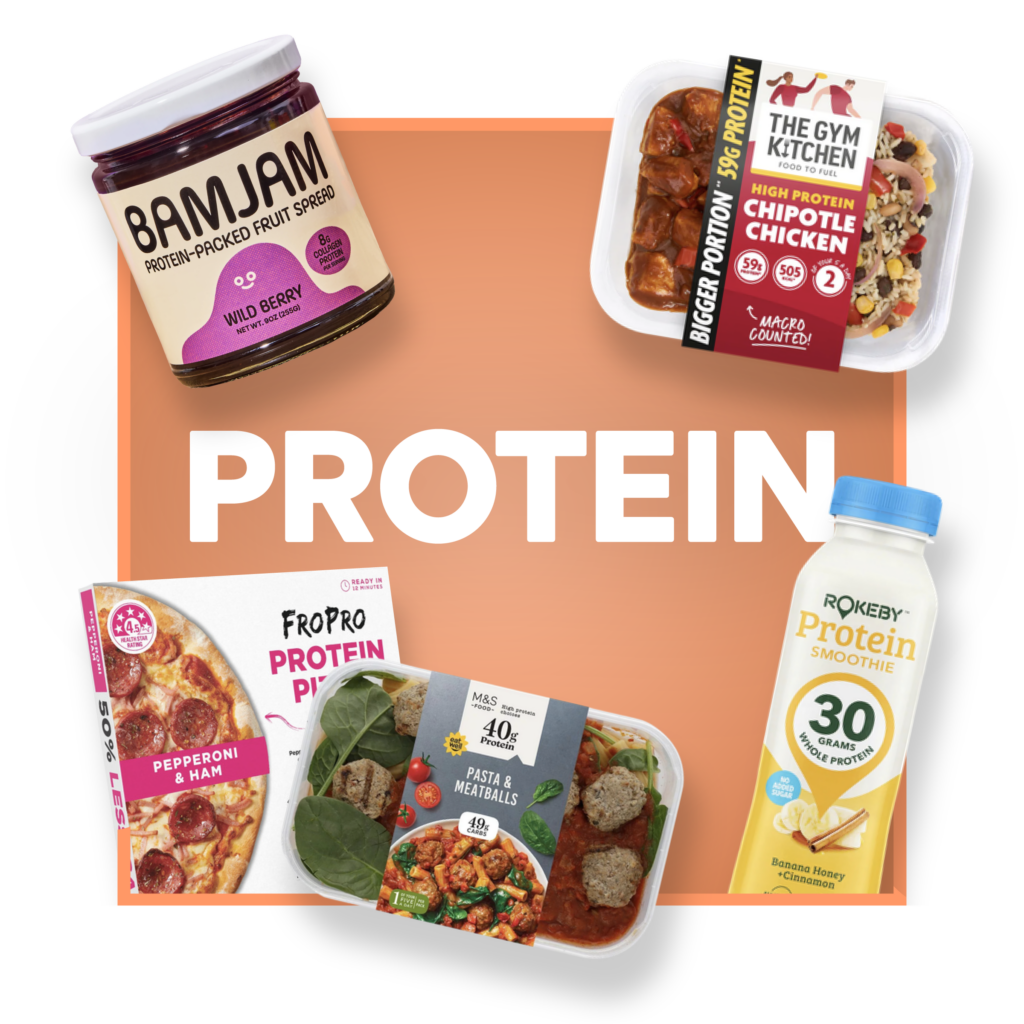
Source-first protein
The focus is moving beyond simply quantity to the quality and source of protein. This includes ethically sourced meat, sustainable seafood, and protein options that offer complete amino acid profiles. Protein is no longer just for bodybuilders. It’s a mainstream requirement for satiety, muscle health, and metabolic function.
29% of Australian consumers say high protein content is important when shopping for food, rising to 25% among 18-24 year olds.
– Food Trend Report 2026

Cultural grounding
Food is being recognised as a conduit for culture, connection, history and community. There is growing interest in cuisines that are inherently grounded in tradition, natural ingredients, and communal dining, such as Greek, Middle Eastern, and emerging Third Culture cuisines (a blend of different cultural food influences, often driven by diaspora and migration). These foods offer both a sense of connection to the past and an assurance of time-tested preparation methods.
55% of Gen Z use social media to find new foods and food inspiration. 71% are influenced by reviews and user content.
– Food Trend Report 2026
Nutrient Density: The new metric of value
Perhaps the most significant emerging driver is nutrient density. This shift is being accelerated by the growing number of people using GLP-1 medications (used to manage obesity or diabetes), which significantly reduce appetite.
Because these consumers are eating smaller portions, every bite must maximise its nutritional impact – specifically through high concentrations of protein and fibre. This is changing the retail value proposition from “quantity for price” to “nutritional concentration per volume,” affecting everything from snacks to ready-to-eat meals.
Half a million Australians are currently using GLP-1 medications, with this number expected to rise to 3 million by 2030.
Around 75% of people on these medications report a change in the types of foods they eat, with many consuming less carbohydrates (40%), and more vegetables (60%) and fruit (50%).
– Food Trend Report 2026
As we move further into 2026, it is clear that the kitchen table has become the last bastion of ‘real’ in a digital world. For the food industry, success no longer lies in complex innovation, but in a return to simplicity, transparency, and nutrient-rich integrity.
We are entering an era where trust is the most valuable ingredient – and the most successful products will be those that prioritise the health of the consumer over the noise of the screen. The #RealFood revolution isn’t just a trend, it’s a necessary return to the source. Find more insights in The Food Trend Report for 2026, compiled by our Woolworths Innovation Chefs, it outlines their predictions for the coming year.
Read also
