

Packaging with Purpose : A Conversation with Bryan McKay
The packaging industry is at the heart of sustainability discussions worldwide, evolving rapidly to meet the demands of eco-conscious consumers and environmental imperatives.
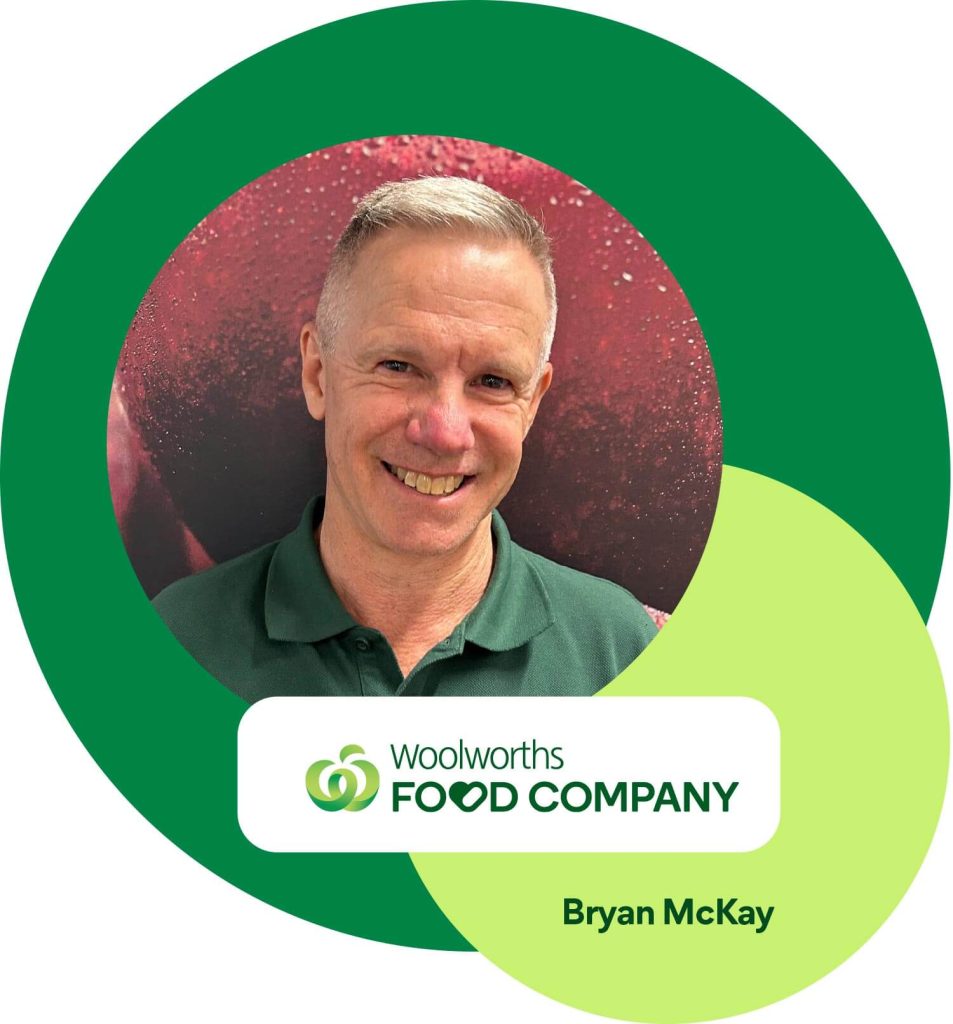
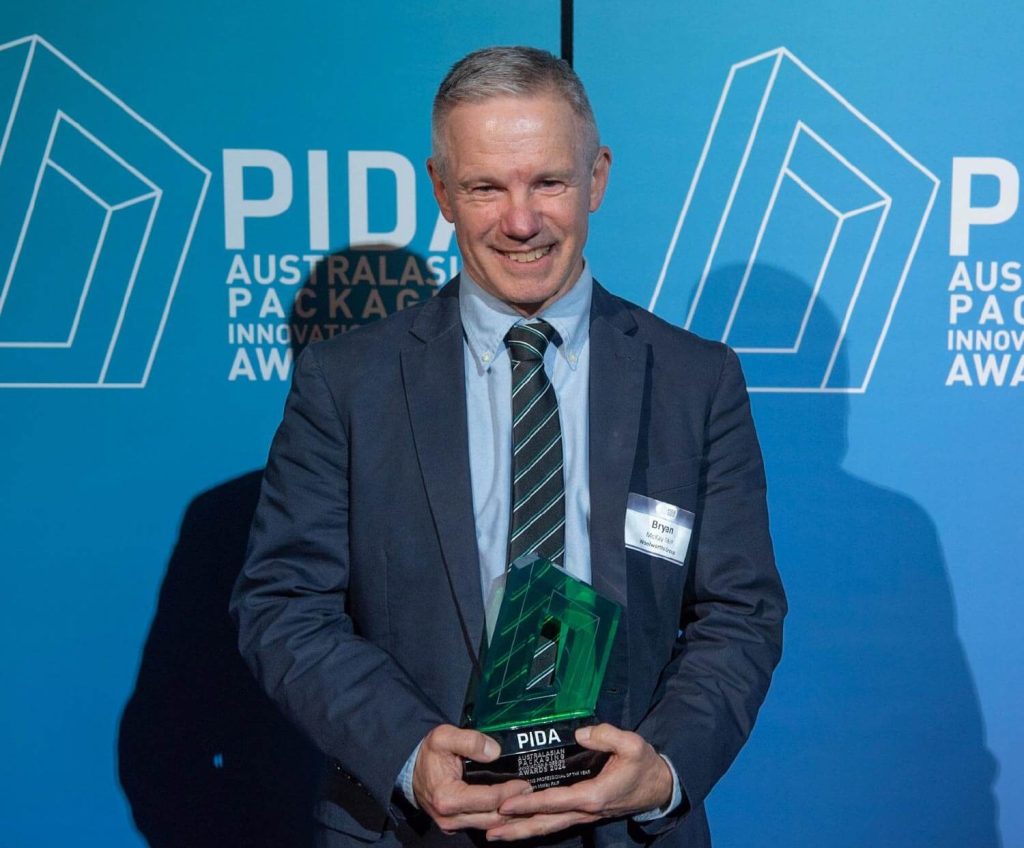
Coordinated by the Australian Institute of Packaging, the Packaging Innovation and Design Awards (PIDA) recognises industry leaders and celebrates pioneering contributions across Australia and New Zealand. At the 2024 PIDA Awards, Woolworths, Pact Group, and Hilton Foods secured a Bronze in the ‘Sustainable Packaging Design’ category for their collaboration on Modified Atmosphere Packaging (MAP) Meat Trays, a truly circular solution that reduces virgin plastic and supports recycling in Australia. Central to this achievement is Bryan McKay, Woolworths Food Company’s Head of Packaging, recently honoured as the Industry Packaging Professional of the Year. With a remarkable 30-year career shaping sustainable packaging for FMCG giants, Bryan is an influential force driving Woolworths’ commitment to environmentally conscious design. We sat down with Bryan to learn about his career, his passion for sustainability, and the journey of the MAP Meat Trays from concept to award-winning innovation.
Q: Bryan, congratulations on your recognition as Industry Packaging Professional of the Year! Please start by sharing a bit about your role here at Woolworths.
Bryan: Thank you! I’m currently the Head of Packaging for Woolworths Food Company, where I’ve been for about three years. My role centres on spearheading innovative and sustainable packaging solutions, something I’m deeply passionate about. This award is particularly meaningful because it’s an acknowledgment of my contributions over the past 20 years in the industry. It’s a great honour to be recognised by my peers, and it reflects the collective effort of the amazing teams I’ve had the privilege of leading.
Q: You’re known as the “mastermind” behind major packaging innovations, like the iconic MasterFoods squeeze-on tomato sauce packet. Did you always plan to work in packaging?
Bryan: Funnily enough, not initially! I studied food science, and my first role was in food processing. But as I delved into packaging, I found it to be a fascinating intersection of science, design, and functionality. My early work at MasterFoods solidified my passion for packaging, and I’ve loved innovating ever since. At Woolworths, packaging is about much more than containment; it’s about making the packaging itself a valuable, sustainable resource.
Q: You touched on sustainability, how has this impacted your approach to packaging innovation?
Bryan: When I first started, packaging was primarily viewed as disposable. Now, it’s about creating a system where packaging adds value without creating waste. The shift in consumer awareness has been massive. Fifteen years ago, sustainability became a growing priority, and over the last decade, it’s evolved into a fundamental aspect of packaging design. Now, it’s as important as the product itself. For instance, we’re innovating to replace non-recyclable materials, like PVC, with curb-side-recyclable PET. We need to ensure our packaging is both environmentally friendly and still effective at protecting the product. Compromising on quality would defeat the purpose, as that could lead to food waste—another critical issue.
Q: Woolworths, Greenstock, and our packaging partners were awarded Bronze for the MAP Meat Trays, an excellent example of sustainable innovation. Could you walk us through the development process?
Bryan: Certainly. Our MAP Meat Tray project has been an ongoing journey. These trays were once made from non-recyclable materials like Styrofoam and PVC. Today, they’re made of PET, which is recyclable curbside. We also use 70% recycled plastic in these trays, saving over 3,000 tonnes of virgin plastic each year. And, more recently, Woolworths Food Company and Greenstock have been pioneering ‘tray-to-tray’ recycling, an Australian first, where used trays can be recycled into new trays. This shift isn’t just about product design; it’s about investing in infrastructure and collaboration across the supply chain—from our suppliers, Hilton Foods, and our packaging partner, Pact Group. Sustainability is an ongoing journey, and each step brings us closer to a truly circular economy. The journey continues. Sustainability is about continuous improvement, and at Woolworths, we’re constantly exploring ways to lead the industry.
Q: You mentioned that packaging is much more than just containment at Woolworths. How does Woolworths leverage its scale to drive innovation in sustainable packaging?
Bryan: Woolworths’ scale is a huge asset. It allows us to make changes with significant impact like eliminating 3,200 tonnes of virgin plastic annually. Few companies have the resources to create this level of change. Woolworths not only supports these goals but actively drives them. For instance, we are currently working to be the first in Australia to adopt 30% recycled plastic in 1.25L soft drink bottles. We also led the industry by implementing the Australasian Recycling Label (ARL) on over 8,000 products, a significant step for recycling education. Being part of a team that isn’t just talking about change but actively making it happen is inspiring.
Q: With so many projects on the go, what’s next for sustainable packaging at Woolworths?
Bryan: The journey continues. Sustainability is about continuous improvement, and at Woolworths, we’re constantly exploring ways to lead the industry. Our recent initiatives, like the MAP trays, show the evolving packaging landscape. And it’s only possible because of the strong commitment to sustainability across the entire organisation. It’s rewarding to know that our work has a visible impact, whether through the products on our shelves or the innovations in recycling. Woolworths’ commitment to sustainability is unwavering, motivating me and my team to keep pushing boundaries. The great thing about packaging is that everyone can play a role in sustainability – so be sure to read the ARL, put packaging in the correct bin, and buy products made with recycled packaging. We will be better, together.
Read also

 6 min read
Building a better tomorrow, together
6 min readMarch Dignity Drive